
Choose a theme
The event organizers should meet and choose a theme. Your theme should be one word that will be used as a storytelling prompt – but that also helps shape the narrative of the conversation you want to have. For example, to accompany a story about people with intellectual disabilities trying to live successfully in the community, we used the theme HOME. If you are considering a reporting project focused on the impact of special education, you might want your theme to be SCHOOL.
You want to be sure to give your storytellers agency to tell the kind of story they want, in the way they want to tell it. In workshops you will talk about different ways a prompt will encourage a story, and the storytellers will learn from one another’s stories – but ultimately if someone wants to tell a story you might worry is too “positive,” that’s ok.
There’s a term in the disability community – “inspiration porn” – that refers mainly to journalists who report stories designed to make others feel good. For example, a story about a boy with Down syndrome being chosen to provide water for the football team might make everyone feel good about how helpful the coach and players are – but could be pretty one-dimensional and leave out some of the challenges that the boy and others with intellectual disabilities face.
But if the person with the disability wants to tell a positive story about their own life, that’s different. WORDSLAW is about giving the person with the disability the agency to choose how to tell their own story.
In terms of format, we have had storytellers write poetry and fiction to express themselves, although typically the stories will be straightforward memoir.
Some examples of themes that have worked in the past
-
Love
 by Ethan Smith
 -
Work
 by Kareem Samuels
 -
Friendship
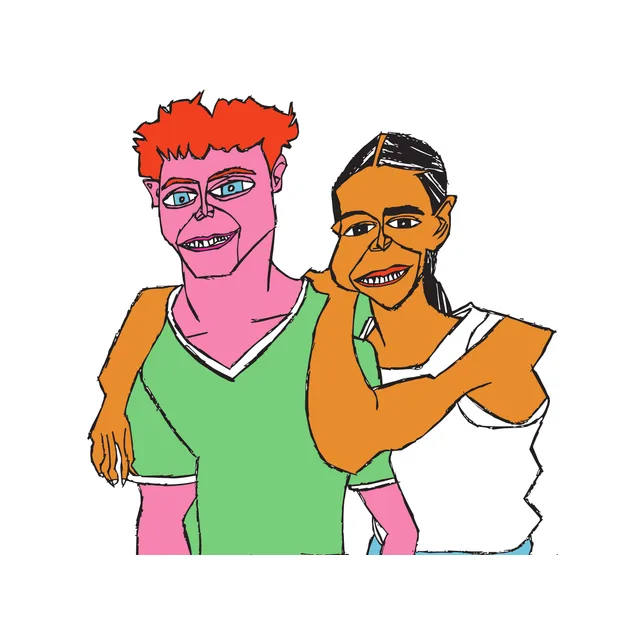 by Kareem Samuels
 -
Money
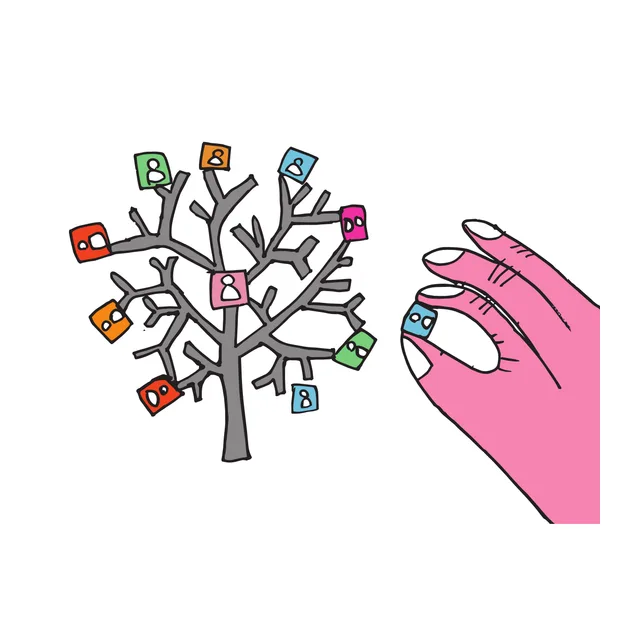 by Ethan Smith
 -
Family
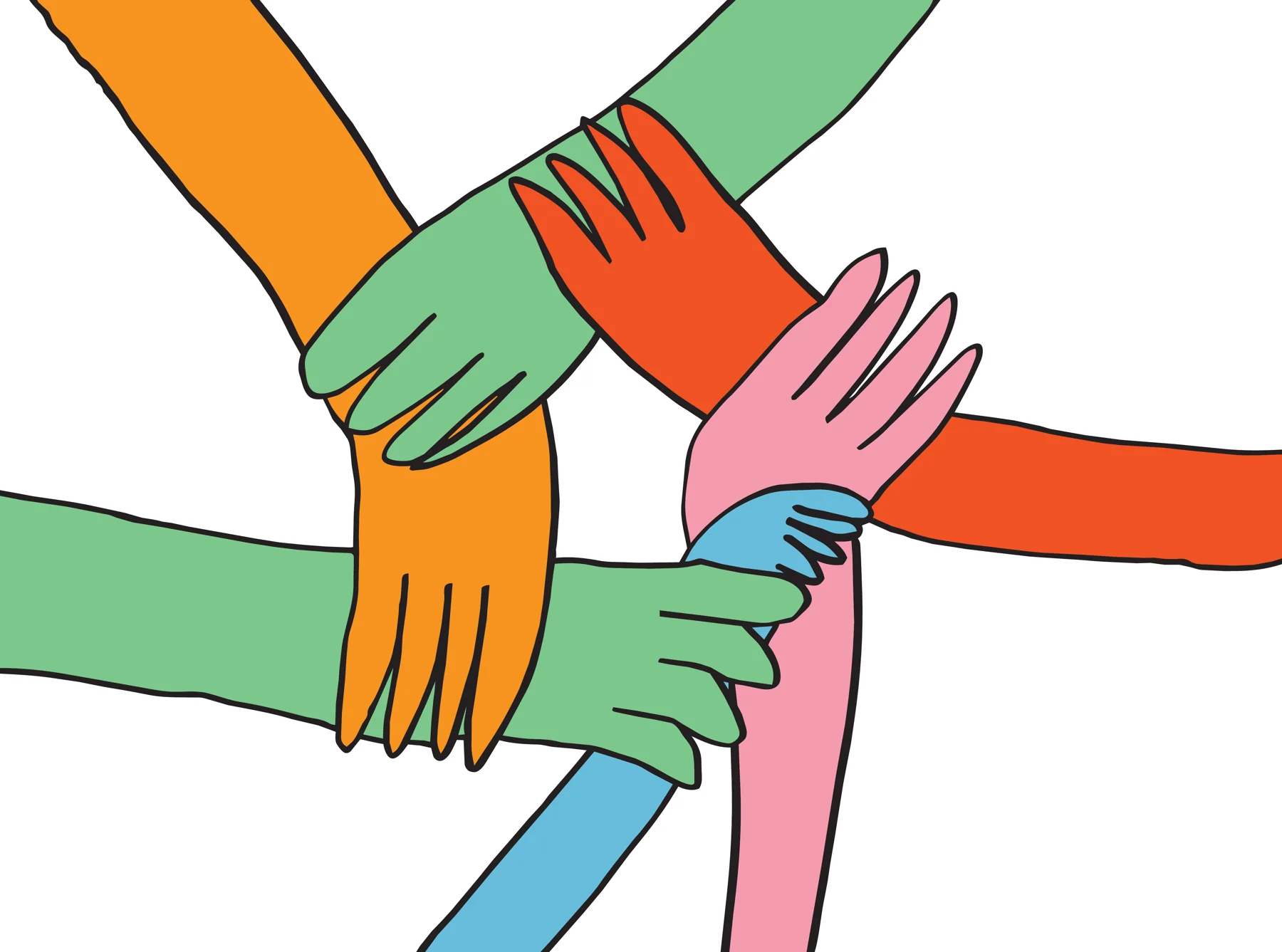 by Ethan Smith
Here are some tips for choosing a theme
- 1.
A successful theme is narrow enough to give direction, but broad enough to allow most of the ideas storytellers come up with to fit. Make sure to think about the different ways a theme can be interpreted. This population might have a different interpretation of a word than you do. We recommend a simple, one word theme like the ones listed above.
- 2.
You don’t want to be too vague. MY LIFE won’t work as a prompt because it doesn’t offer much if any direction. But you also don’t want to be too specific like TAKING RISKS, which also won’t work because the parameters are too narrow. The goal is to make most stories that the storytellers want to share fit into the theme.
- 3.
Your storytellers aren’t going to be characters in your reporting, per se. This is more meant to amplify work you’ve already done and/or begin to explore the IDD community in depth to identify significant issues that could be the topics of upcoming reporting projects.